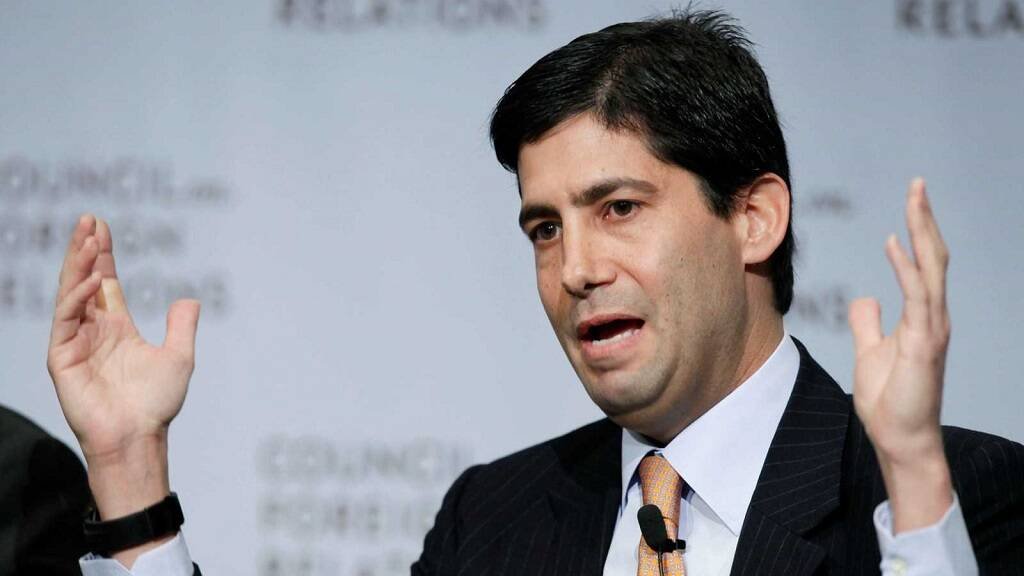
In the world of American finance and politics, few combine Wall Street experience, White House exposure, and a deep understanding of the Federal Reserve as Kevin Warsh does.
Now, following President Donald Trump’s announcement of his nomination for the Federal Reserve chairmanship, Warsh is back in the spotlight—and possibly at the moment he has long aspired to: leading U.S. monetary policy at a critical juncture in global economic history.
The return of this veteran economist, one of the most prominent figures in finance and banking, could mark a significant turning point for U.S. monetary policy.
Warsh, 55, served as a member of the Federal Reserve Board of Governors from 2006 to 2011. This role gave him close insight into the operations of the world’s largest central bank, particularly during the 2008 global financial crisis, where his expertise and market connections proved crucial in making decisive choices to stabilize the economy.
He began his career on Wall Street before moving to the White House under President George W. Bush, gaining extensive experience in economic and financial policy. Later, he was appointed the youngest member of the Federal Reserve Board. During this period, he was known for balancing caution against inflation with advocacy for responsible monetary policies, earning respect across banking and financial markets.
Relationship with Trump
Warsh has long been allied with President Trump, providing advice during his campaigns and on economic policies. Although historically cautious on inflation and interest rate hikes, Warsh supported Trump’s 2025 push for rate cuts—a shift reflecting a response to current economic needs and growth challenges. This alignment places him at the center of debates over Federal Reserve independence and White House influence on monetary policy.
Achievements and Challenges
During his tenure at the Fed, Warsh advocated structural reforms to the central bank’s balance sheet and reducing bond purchases, emphasizing that such measures would enhance the Fed’s ability to control interest rates more effectively. Though he resigned in 2011 after a second wave of bond-buying to support the economy, Warsh’s voice has remained influential, consistently critiquing Fed balance sheet expansion and proposing practical approaches to manage inflation and growth.
Personal Life and Political Ties
Warsh maintains an extensive network of political and financial connections. He is married to Jane Lauder, of the prominent Lauder family, providing him additional influence in elite economic and social circles. His impact on economic policy stems not only from banking expertise but also from his relationships with key political and economic figures in the U.S.
With his nomination as Fed chair, Warsh stands at a critical crossroads between his long experience in monetary management and the White House’s desire to steer economic policy—making him a pivotal figure in shaping the trajectory of the American economy in the coming years.